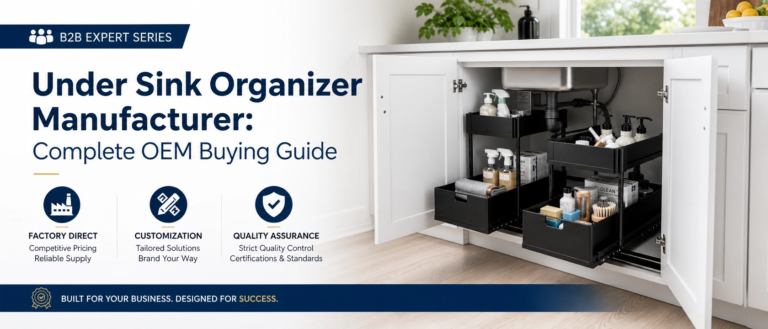
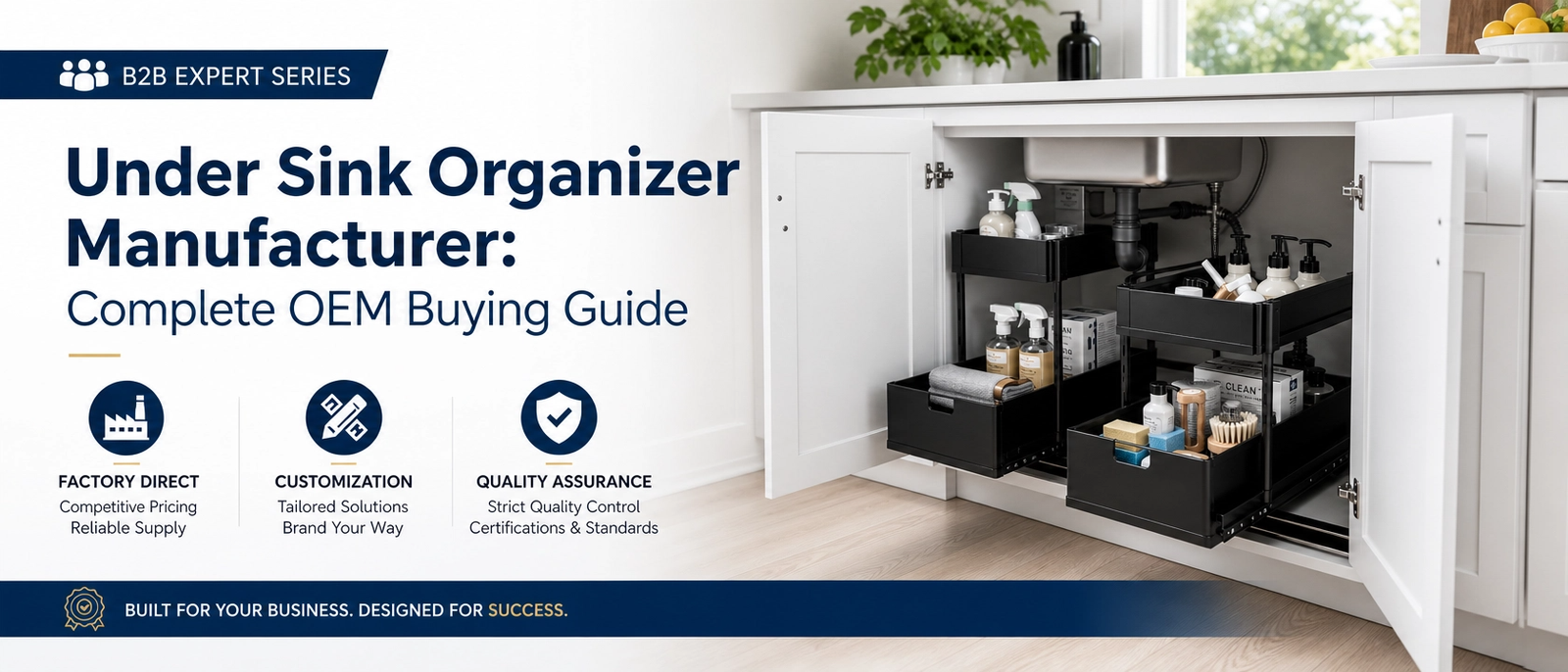
Under Sink Organizer Manufacturer: Complete OEM Buying Guide
Under-sink space is tricky. It’s cramped, messy, and filled with pipes. Organizing it can feel impossible without the right product design.
The key to manufacturing a great under sink organizer lies in five critical factors: pipe clearance, slide-out functionality, rust resistance, weight capacity, and easy installation.
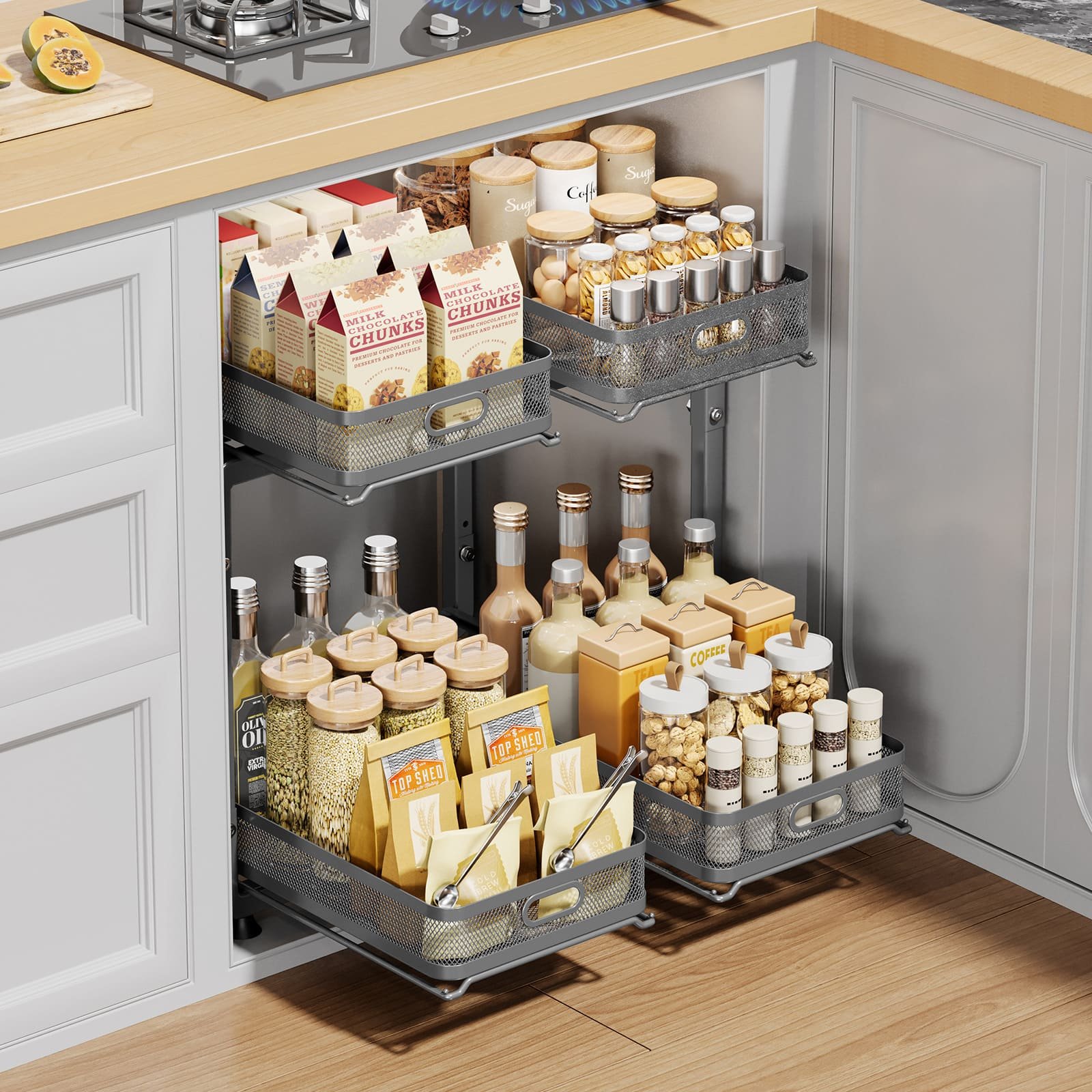
With years of experience working with global brands and importers, I know what turns these challenges into opportunities. Let’s dive into each key factor so that brands and buyers like you can better understand what makes a high-quality product.
Why is pipe clearance so important?
We’ve all seen it: the tangled pipes taking over the under-sink area. They’re the biggest obstacle to efficient organizer design.
An excellent under sink organizer must be designed to fit around these pipes. The structure usually includes adjustable sections and smart layouts that avoid obstructions.
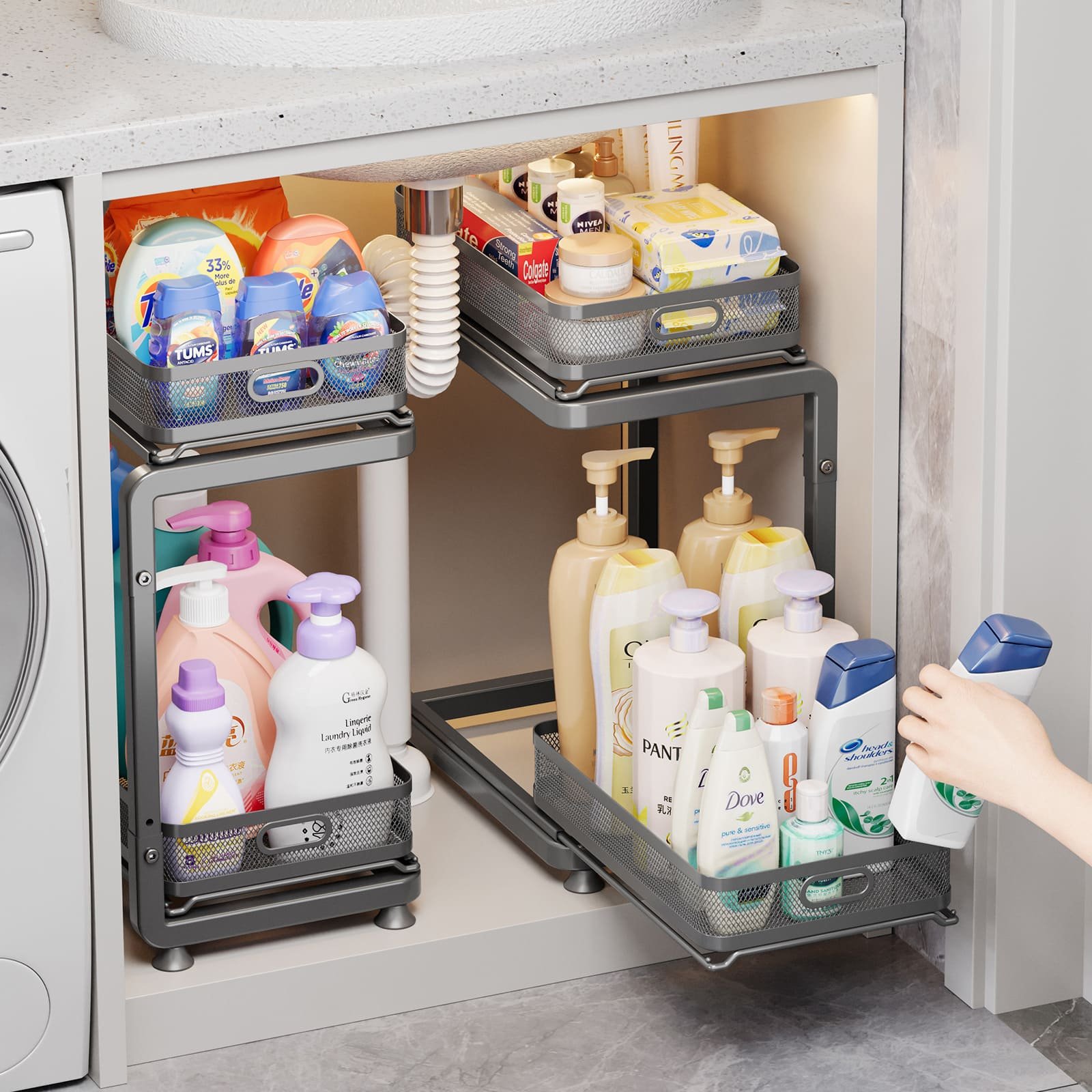
When designing these products for OEM customers, pipe clearance is a priority. For example, flat shelves simply won’t work if the pipes are in the way. Instead, the shelf needs to be cut out or tiered, depending on your target sink dimension. Flexibility is key, so at our factory, we often tweak prototypes multiple times to account for real-world sink installations. This adaptability minimizes customer complaints and ensures great usability.
What makes slide-out functionality a must-have?
No one wants to blindly reach for cleaning supplies tucked into the back corner of the sink. It’s inconvenient.
Slide-out trays or drawers make it easier for users to access items by pulling them forward, maximizing the space.
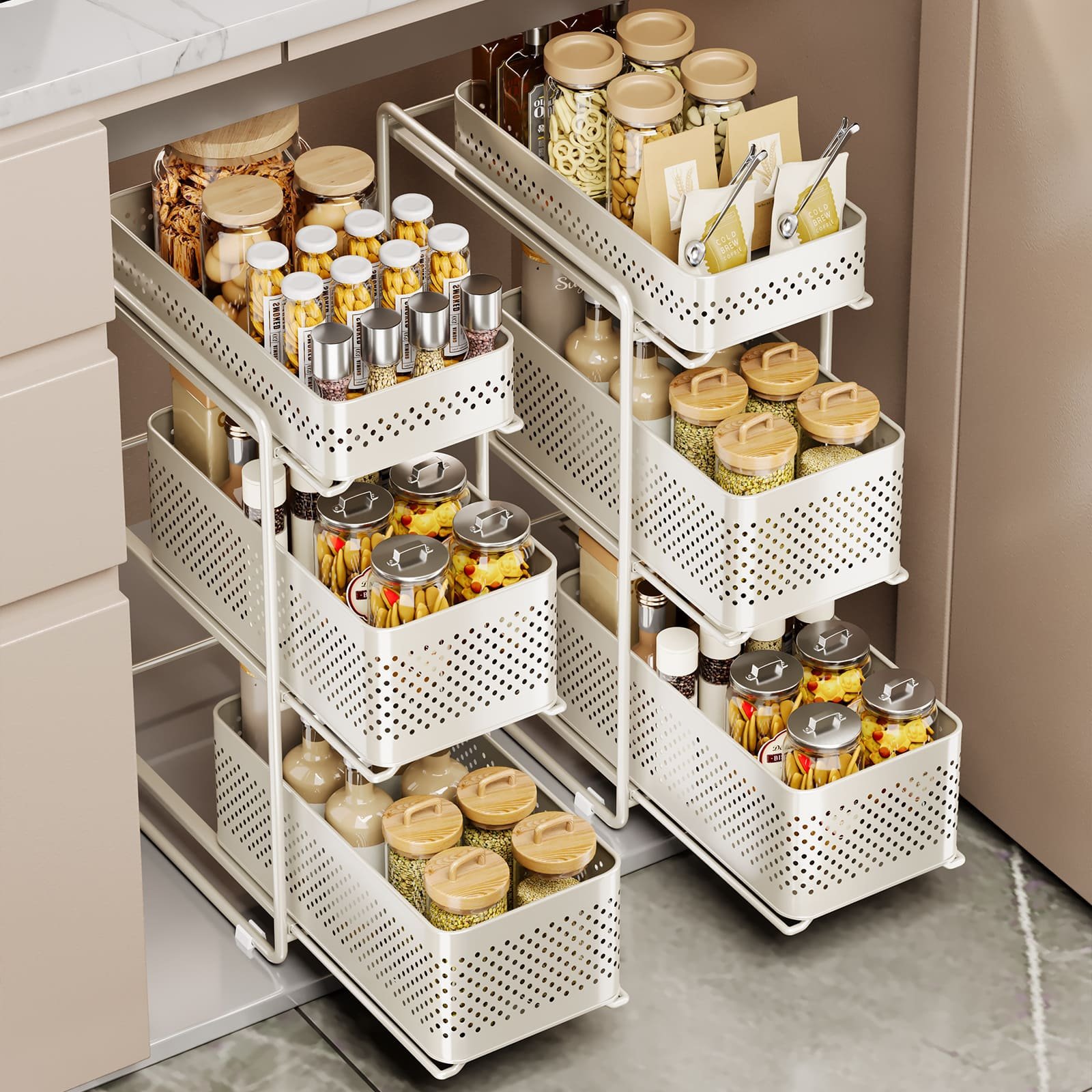
We use ball-bearing tracks or reinforced runners1 in custom designs to create smooth-gliding organizers. Our OEM customers often request multiple tiers or versatile slide-out mechanisms that align with their user experience goals. Some even pair sliding drawers with dividers for additional storage versatility. Over the years, we’ve learned that the smoother this function, the better the reviews from end-users.
Why does rust resistance matter so much?
Under-sink areas are damp. Constant exposure to moisture can wreck poorly-coated metal, making corrosion a nightmare2 for both users and your product reputation.
Rust-resistant coatings, like powder coating3 or high-grade stainless steel, are non-negotiable in under sink organizers.
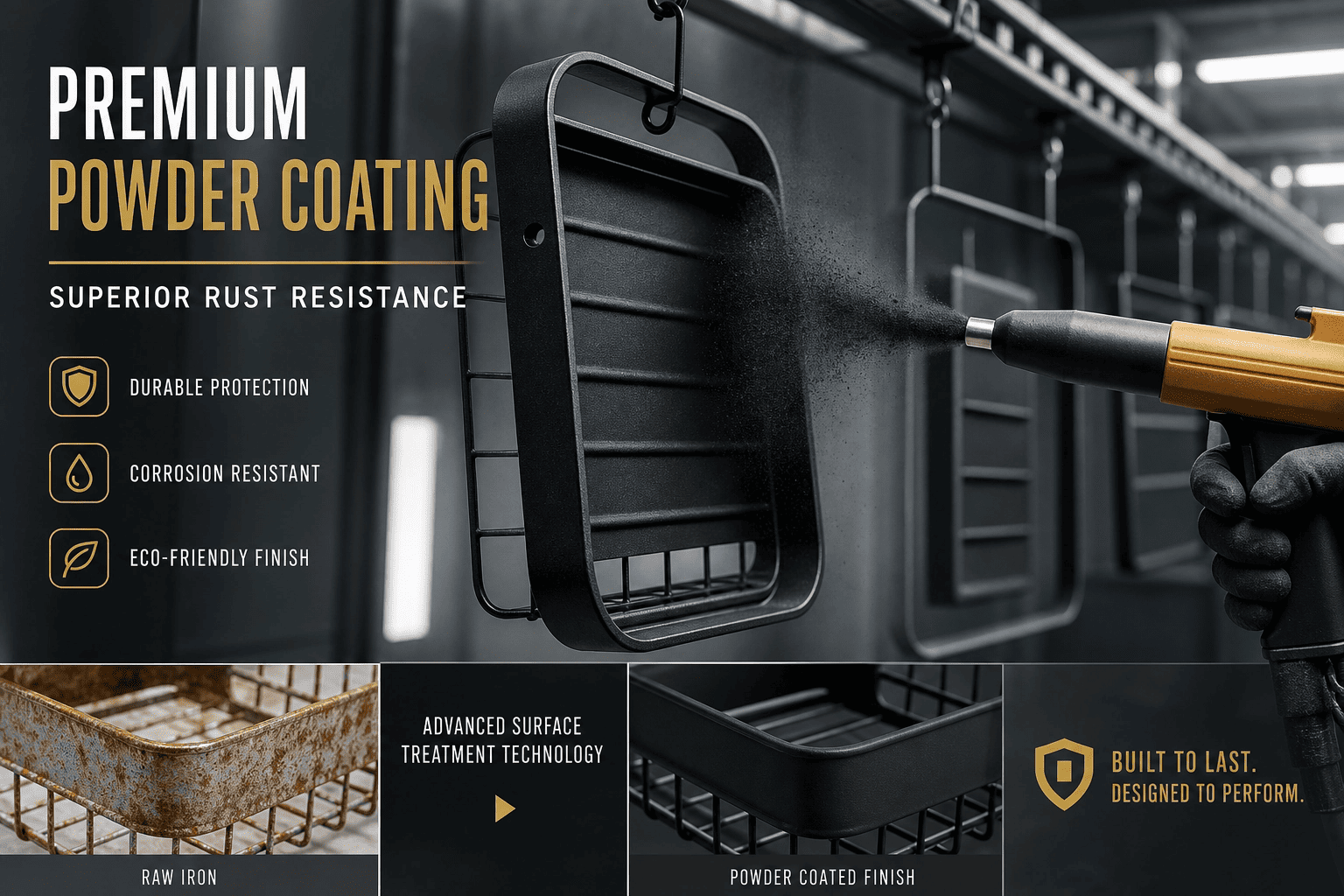
At our manufacturing plant, we run products through 24-hour salt spray tests4 to ensure coatings hold up in damp environments. For standard designs, we recommend stainless steel with anti-fingerprint coatings5, although galvanized steel6 and special plating can also keep costs reasonable. If you’re targeting premium markets, it’s often worth investing in fully stainless steel structures.
How can weight capacity make or break product performance?
What’s under the sink? It’s usually heavy items—cleaning supplies, bottles of detergent, multi-pack sponges, or even small appliances.
An effective under sink organizer must handle weight loads without bending, warping, or tipping over.
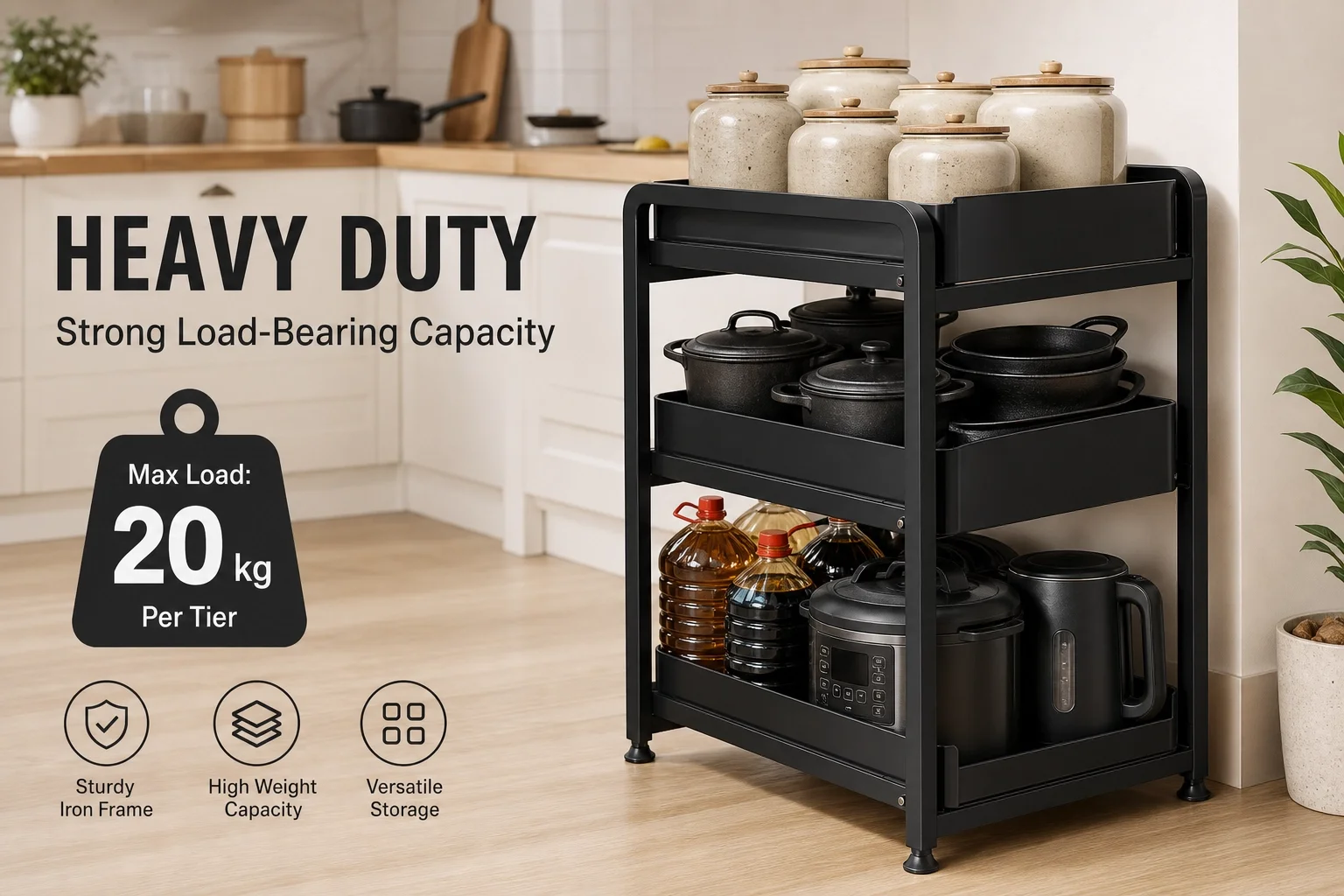
Our factory uses reinforced frames and high-grade steel7 to ensure strength. We test racks to hold up to 20kg or more, depending on customer specifications. In addition, adjustable leveling feet help stabilize organizers on uneven cabinet floors8. This focus on durability gives buyers confidence in long-term use.
Why easy installation drives customer satisfaction?
Let’s be honest—no one reads long manuals. A product that’s hard to install will frustrate end-users and increase return rates.
Under sink organizers need clear assembly instructions, minimal tools, and quick installation to win over customers.
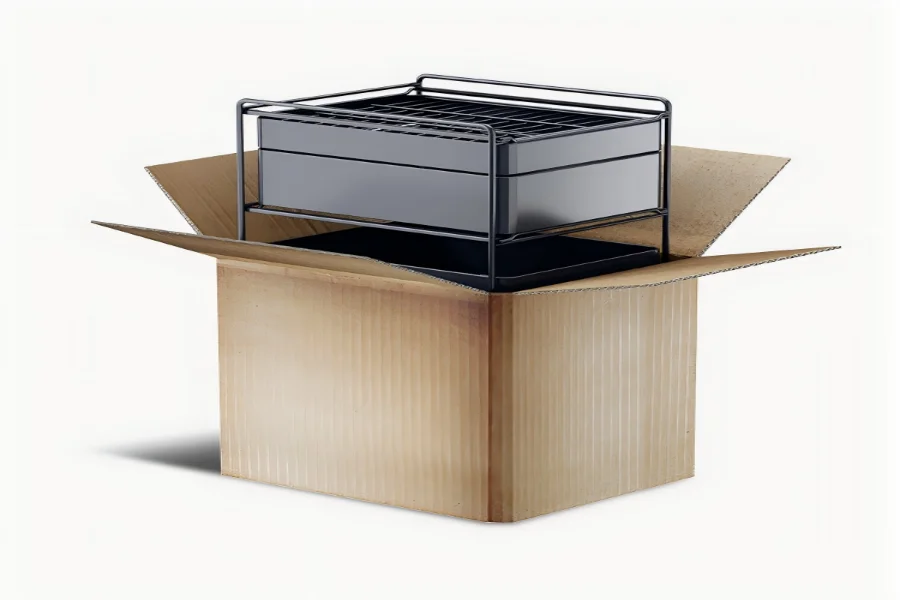
We work closely with our OEM partners to simplify the assembly process. For example, pre-assembled parts, snap-fit solutions9, or easy-to-understand printed instructions in every package reduce barriers. Some of our designs even offer tool-free installations, which always earns positive customer reviews. Investing in user-friendly design is a win-win for both buyers and sellers.
How can customization elevate your product line?
If you’re an international brand or distributor, offering unique features sets you apart from your competition.
Customization options like sizes, finishes, or add-ons transform generic products into premium organizers tailored to your audience’s needs.
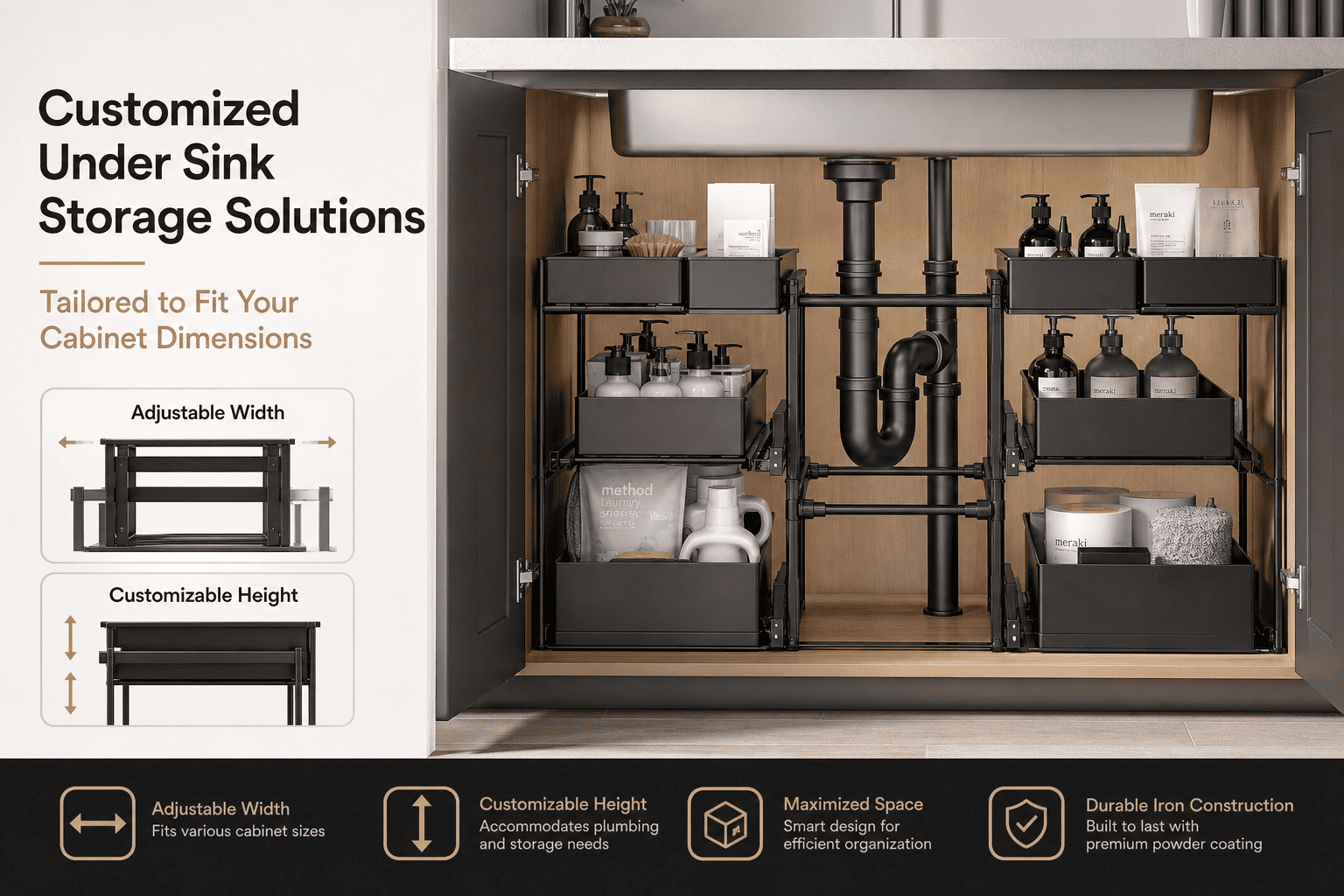
For instance, some OEM customers request color options to match broader kitchen storage collections. Others focus on modular designs, enabling users to configure shelves, bins, and runners according to their preferences10. We also help customers with branding, from logo placements to exclusive packaging. This level of customization allows you to deliver unique value to your end-users.
Conclusion
To wrap up, the best under sink organizers solve problems, not just store items. By focusing on pipe clearance, smooth sliding, rust resistance, weight capacity, and easy installation, you can create products that meet user needs. For brands, adding customizable touches boosts differentiation.
If you’re looking for dependable OEM/ODM suppliers, feel free to contact us. We’re here to simplify your bulk orders and make your brand stand out.
<a href="https://mybreadbin.com/under-sink-organizer-manufacturer-complete-oem-buying-guide/">Under Sink Organizer Manufacturer: Complete OEM Buying Guide</a>
"What Are Ball Bearing Drawer Slides and How Do They Work?", https://www.youtube.com/watch?v=8VGzHawd8c8. Ball-bearing slides reduce friction by replacing sliding contact with rolling contact, distributing load across multiple bearing points and enabling smoother motion with less force required compared to roller or friction-based systems. Evidence role: mechanism; source type: education. Supports: how ball-bearing systems reduce friction in sliding mechanisms. Scope note: Describes general mechanical principle; performance varies by bearing quality, load, and maintenance. ↩
"Research reveals how humidity affects atmospheric corrosion of ...", https://www.llnl.gov/article/49876/research-reveals-how-humidity-affects-atmospheric-corrosion-aluminum-metal. Moisture accelerates metal corrosion through electrochemical reactions where water acts as an electrolyte, facilitating oxidation-reduction processes that degrade protective coatings and underlying metal substrates. Evidence role: mechanism; source type: research. Supports: the electrochemical process by which moisture accelerates corrosion in metal surfaces. Scope note: General corrosion mechanism; specific rates depend on metal type, coating quality, and environmental conditions. ↩
"Powder coating - Wikipedia", https://en.wikipedia.org/wiki/Powder_coating. Powder coating forms a continuous, uniform thermoplastic or thermoset polymer layer through electrostatic application and heat curing, creating a dense barrier that resists moisture penetration and provides superior corrosion protection compared to conventional liquid paints. Evidence role: mechanism; source type: research. Supports: how powder coating creates a protective barrier against corrosion. Scope note: Protection quality depends on surface preparation, coating thickness, and curing process. ↩
"ASTM International - Wikipedia", https://en.wikipedia.org/wiki/ASTM_International. Salt spray testing, standardized under ASTM B117 and ISO 9227, exposes coated metal samples to a controlled saline mist environment to accelerate and evaluate corrosion resistance, though results may not directly predict real-world performance timelines. Evidence role: general_support; source type: institution. Supports: salt spray testing as a standardized method for assessing corrosion resistance of metallic coatings. Scope note: Accelerated test conditions do not perfectly replicate actual environmental exposure patterns. ↩
"Ultimate Guide To Anti Fingerprint Coating On Stainless Steel", https://www.ptsmake.com/ultimate-guide-to-anti-fingerprint-coating-on-stainless-steel/. Anti-fingerprint coatings for stainless steel typically employ oleophobic treatments using fluoropolymer or nano-ceramic layers that reduce surface energy, causing oils and water to bead rather than spread, thereby minimizing visible fingerprint residue. Evidence role: mechanism; source type: research. Supports: the chemical basis of anti-fingerprint coatings applied to stainless steel. Scope note: Coating durability and effectiveness vary by formulation and application method. ↩
"Zinc Coatings for Steel Corrosion Protection", https://galvanizeit.org/corrosion/corrosion-protection/zinc-coatings. Galvanization protects steel through a zinc coating that acts as both a physical barrier and sacrificial anode, corroding preferentially to protect the underlying steel through cathodic protection, offering cost-effective corrosion resistance for many applications. Evidence role: mechanism; source type: institution. Supports: how zinc coating in galvanized steel provides corrosion protection. Scope note: Protection duration depends on coating thickness and environmental exposure; may not match stainless steel longevity in harsh conditions. ↩
"[PDF] Material Overview • ANSI", https://www.purdue.edu/bidc/wp-content/uploads/2021/08/ISOGrade.pdf. Higher-grade steels achieve greater strength through controlled alloying elements and heat treatment processes that refine grain structure and increase yield strength, though 'high-grade' is not a standardized metallurgical term and specific properties vary by classification system. Evidence role: general_support; source type: education. Supports: the superior mechanical properties of higher-grade steels. Scope note: Term lacks precise technical definition; actual properties depend on specific steel grade designation. ↩
"A guide to leveling feet | Essentra Components US", https://www.essentracomponents.com/en-us/news/solutions/access-hardware/a-guide-to-leveling-feet?srsltid=AfmBOop6CH2f01V28-_19eX5ceXWBS0izGh-khVrDAcrJdAOe1Kz8fhN. Adjustable leveling feet compensate for uneven surfaces by allowing independent height adjustment at each support point, redistributing load to maintain level orientation and prevent rocking, which improves stability and reduces stress concentration. Evidence role: mechanism; source type: education. Supports: how adjustable feet compensate for surface irregularities to maintain stability. Scope note: Effectiveness depends on adjustment range, foot design, and degree of surface irregularity. ↩
"[PDF] designing snap fit joints for plastics - MIT Fab Lab", https://fab.cba.mit.edu/classes/S62.12/people/vernelle.noel/Plastic_Snap_fit_design.pdf. Snap-fit joints use elastic deformation of interlocking features to create mechanical connections without fasteners, enabling rapid, tool-free assembly through carefully designed cantilever beams, annular snaps, or torsional elements that deflect during insertion and lock into position. Evidence role: mechanism; source type: education. Supports: how snap-fit connections enable tool-free assembly. Scope note: Design requires careful consideration of material properties, stress distribution, and assembly/disassembly requirements. ↩
"Modular design - Wikipedia", https://en.wikipedia.org/wiki/Modular_design. Modular design employs standardized, interchangeable components with defined interfaces, allowing users to reconfigure products to meet changing needs, which research shows increases perceived value, extends product lifespan, and accommodates diverse user requirements within a single product platform. Evidence role: general_support; source type: research. Supports: the user benefits of modular product design approaches. Scope note: Benefits depend on interface standardization quality and component compatibility; may increase initial design complexity. ↩