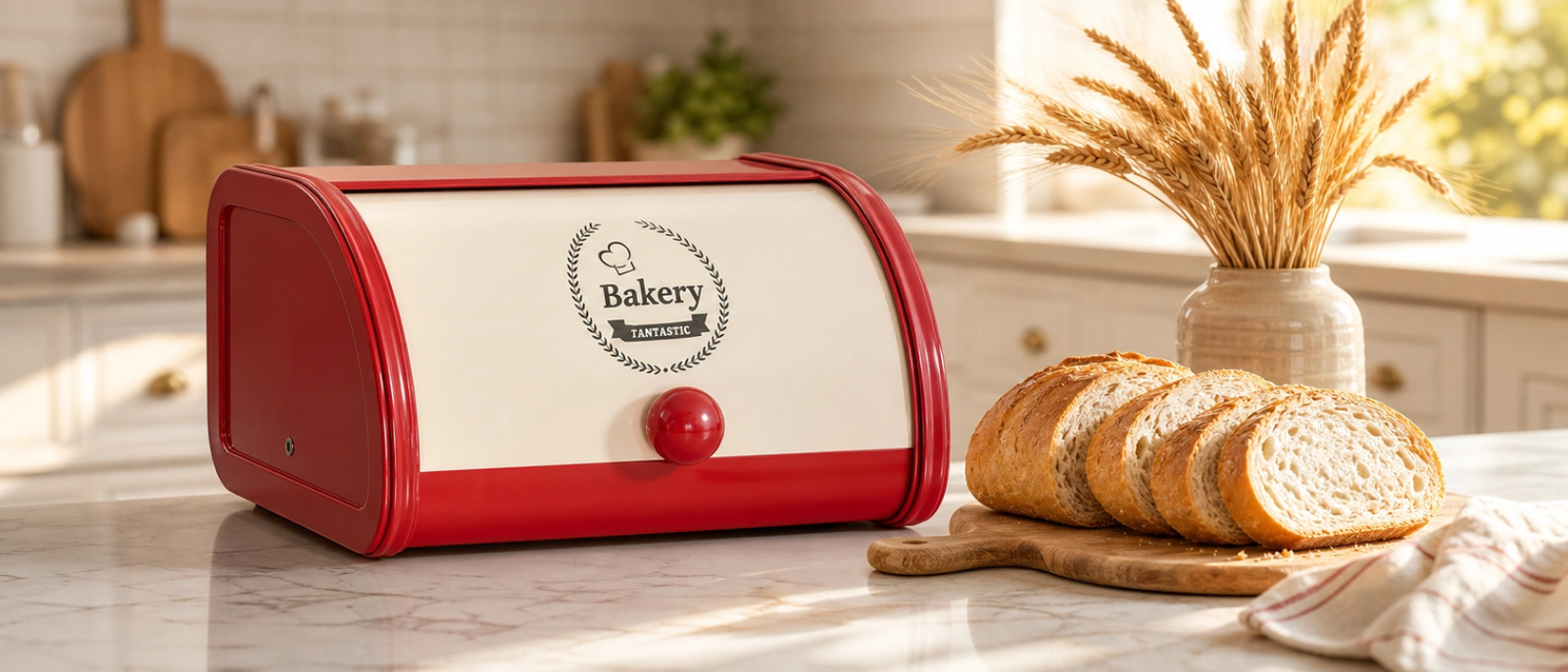
Bread Bin Manufacturer in China: OEM, Wholesale and Custom Packaging Guide
Finding the right bread bin OEM partner can either skyrocket your product success or result in costly missteps. Yet, most buyers fail to ask the critical questions upfront about customization, capabilities, and pricing1 – this is where the real risks lie.
The best way to choose a bread bin manufacturer in China is to focus on their OEM capabilities, including tooling, material options, MOQ structures, and customization flexibility. Buyers should ask specific questions before signing contracts to ensure factories meet actual project needs.
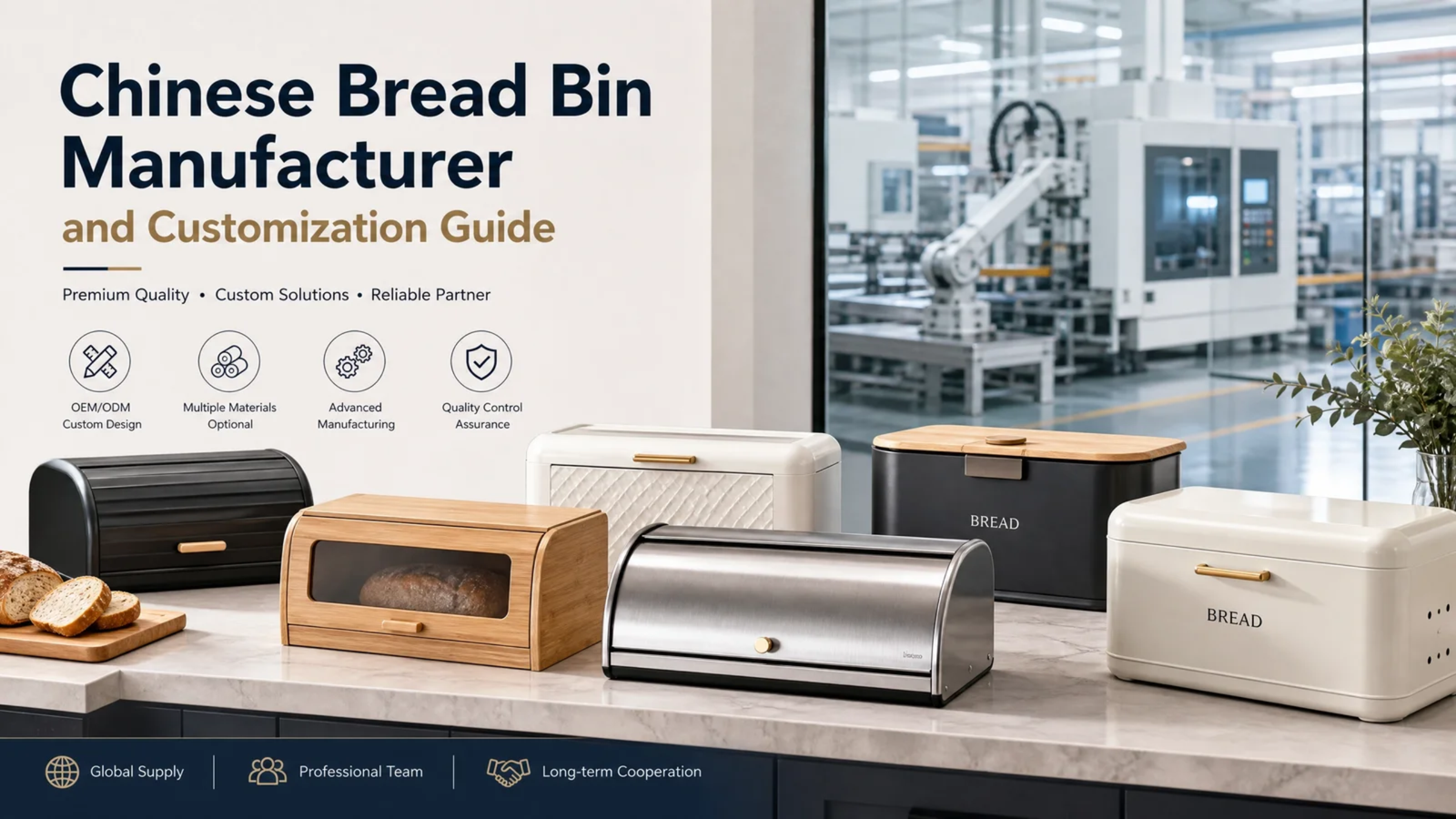
Many buyers mistakenly assume all factories offering bread bins have the same production capacity and customization expertise. However, failing to validate a manufacturer’s ability to match distinct design or business requirements is the most common trap. Let’s break this down step by step.
What questions should you ask about factory tooling and flexibility?
A factory’s tooling capabilities often tell you whether they can accommodate design changes beyond standard offerings. This goes beyond samples—they have to show flexibility in molds, machinery, and structural adaptations.
Ask if the factory owns or rents molds for bread bin products. Ownership often means higher quality and scalability while rented or shared molds limit customization freedom2. Additionally, query whether their production lines are dedicated to custom orders or generalized shared use.
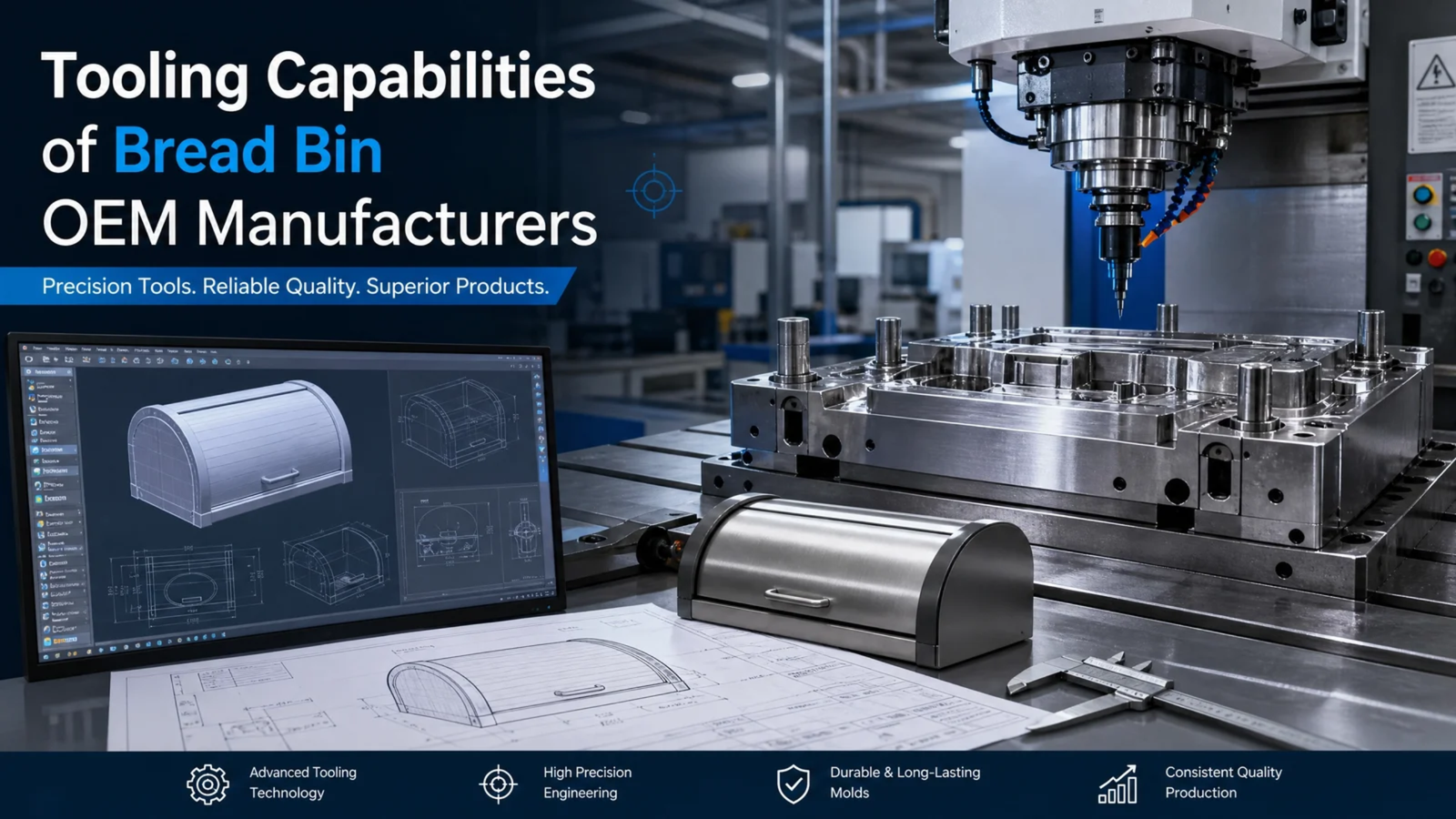
Tooling limitations impact everything. If you’re entering mid-market pricing or private-label branding through Amazon, material flexibility matters too. Factories offering steel, bamboo, and plastic should demonstrate the correct surface treatments such as powder coating or airtight sealing3.
Make sure to clarify MOQ implications, as tooling changes often require high-volume orders. Structurally invasive customization isn’t practical for small runs, while color and finish tweaks can sometimes accommodate lower volumes.
How can I differentiate structural vs. packaging customization?
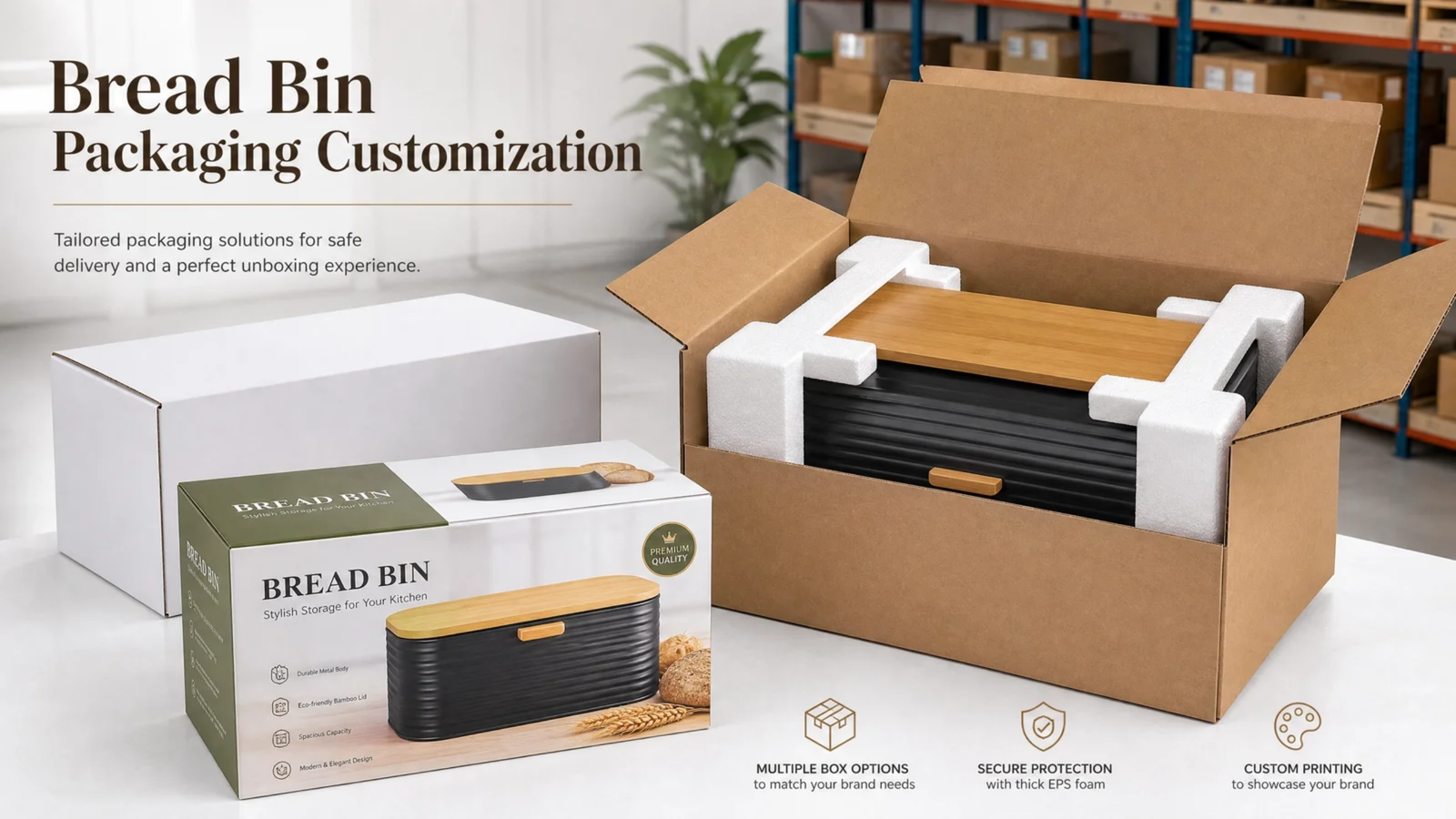
Some buyers equate custom packaging designs with full product innovation, but they’re completely different. Packaging tweaks involve branding, print formats, and carton styles — feasible for most orders. Product structural customization involves deeper material changes or component re-engineering.
Understand that packaging customization typically requires lower MOQs and shorter timelines compared to structural changes4. Always confirm whether the factory’s design team can handle your packaging requests or if third-party support is needed.
Structural redesign challenges arise when switching away from catalog designs. For example, moving a bread bin’s lid from side-hinged to roll-top could introduce mold creation costs, design testing, and material shifts that require high-order volumes to offset expenses.
Packaging requests, on the other hand, focus on visual differentiation like branded print or eco-friendly inserts. This has its complexities but rarely exceeds manufacturing line capabilities.
How should MOQ and cost be assessed for custom development?
MOQ (minimum order quantity) doesn’t just determine factory willingness to produce; it also establishes feasibility boundaries for the type of customization you want. Many overlook this.
Ask during pre-sale discussions how project scope impacts MOQs. Set realistic expectations—simple finish changes may require fewer pieces, while tooling-intensive adjustments often start in the thousands to justify upfront investments.
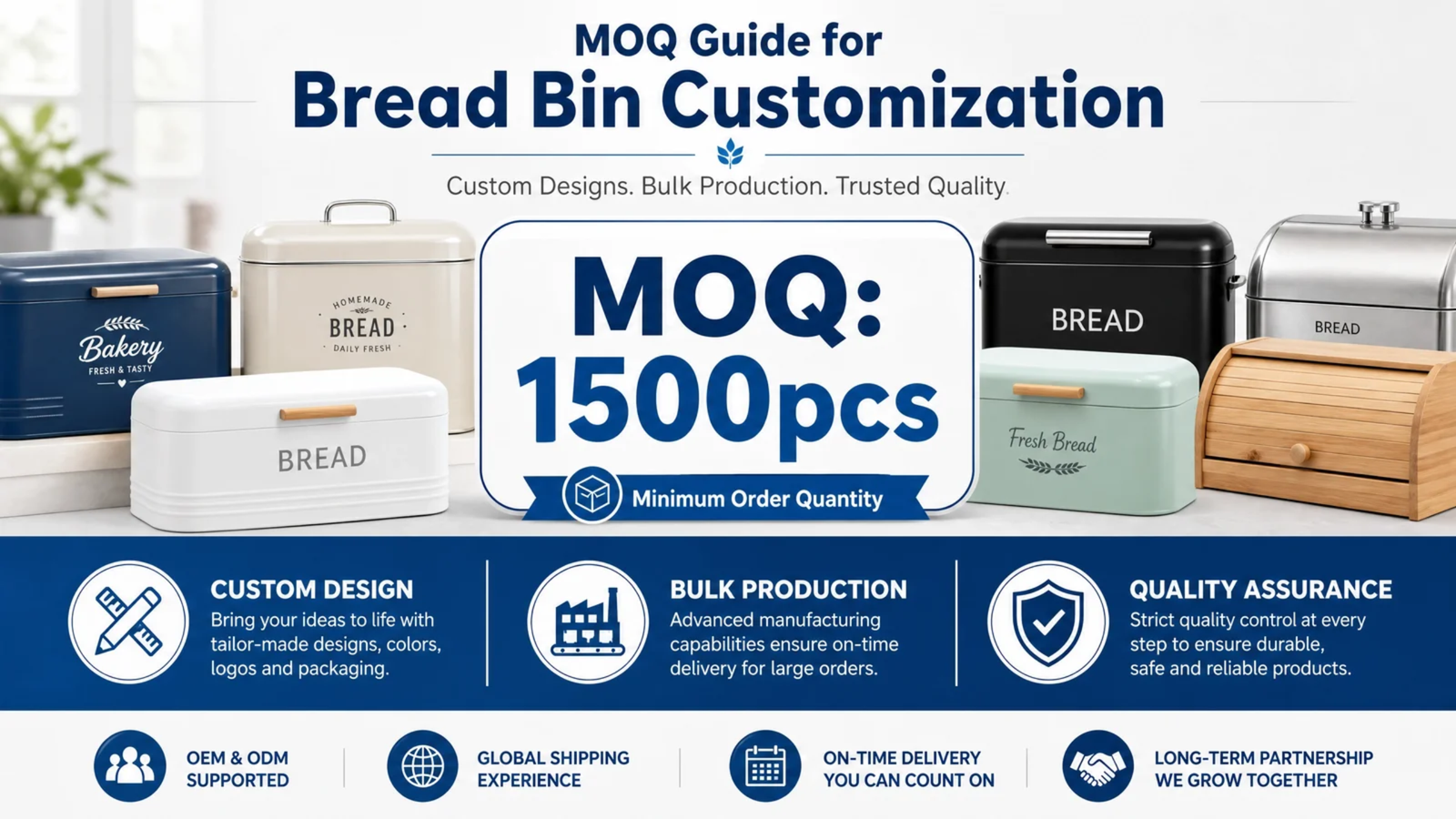
Misaligned MOQs and cost assumptions lead to endless quote revisions. For example, requesting customized ventilation systems in bread bins may seem straightforward but often involves material thickness adjustments5 and tooling setups. Factories need economies of scale to offset these costs6.
Confirm per-unit pricing across different tiers and how customization will be reflected in overall budgets. Transparency here ensures you don’t waste time on production quotes that later prove unaffordable.
What common pitfalls do buyers ignore?
Years of liaison experience show consistent buyer errors7—here are the four most damaging traps:
-
Mixing wholesale pricing with customization pricing: Buyers expect rock-bottom pricing for intricate designs without grasping production overheads. Always understand material and tooling costs separately for customization scopes.
-
Assuming catalog presence means customization ability: Factories showcasing non-standard bread bins might still struggle to scale custom requests like airtight seals or structural modifications. Always validate the depth of flexibility.
-
Failing to explore surface treatments: Poor surface finish queries lead to quality mismatches. Always ask about powder coating options, rust resistance8, and food-safe certifications9.
-
Ignoring mold ownership: Factories renting molds can compromise production timelines, quality consistency, or even access to designs for future runs. Mold ownership equates to control.
Avoid these missteps by interviewing manufacturing partners thoroughly. A few targeted questions can reveal critical capability gaps early, saving immense costs and headaches.
Conclusion
An effective collaboration with a Chinese bread bin OEM demands understanding tooling, MOQ, and customization boundaries upfront. Asking the right questions avoids decision traps and ensures the factory aligns with your market goals.
"[PDF] Supplier selection criteria: comparing influence of close buyer ...", https://cn.ceibs.edu/files/2021-02/035.xie-kristine-zhao-xiande_aug-2020.pdf. Research on supplier selection processes indicates that inadequate due diligence during initial evaluation stages is a recurring challenge in manufacturing partnerships, though specific failure rates vary by industry and buyer experience level. Evidence role: general_support; source type: research. Supports: Common procurement mistakes in manufacturer selection. Scope note: General procurement research may not specifically isolate bread bin or kitchenware OEM contexts ↩
"Experiences with household mold and perceptions of microbiome ...", https://pmc.ncbi.nlm.nih.gov/articles/PMC12886478/. Manufacturing engineering literature explains that mold ownership provides manufacturers with greater control over production parameters, maintenance schedules, and modification capabilities, which can influence quality consistency and design iteration flexibility. Evidence role: mechanism; source type: education. Supports: How mold ownership affects production control and customization capability. Scope note: Does not provide quantitative comparison of quality outcomes between ownership models ↩
"https://scribenet.response.epa.gov/sites/17133/fil...", https://scribenet.response.epa.gov/sites/17133/files/SPCC%20Bulk%20Storage%20Container%20Inspection%20Fact%20Sheet.pdf. Food safety regulatory frameworks specify requirements for surface coatings and sealing mechanisms in food contact materials, with powder coating formulations requiring compliance with migration limits and airtight seals needing validation for intended storage conditions. Evidence role: general_support; source type: government. Supports: Food-safe surface treatment standards for metal containers. Scope note: Regulatory standards vary by jurisdiction and specific product classification ↩
"Why Focusing on Lead Time—Not Just Efficiency—Drives Success", https://interpro.wisc.edu/lead-time-drives-manufacturing-success/. Manufacturing operations literature distinguishes between packaging modifications, which typically involve printing and assembly changes with lower capital investment, and structural product changes requiring mold development or retooling, which carry higher fixed costs that necessitate larger production volumes for economic viability. Evidence role: mechanism; source type: education. Supports: Why packaging modifications differ from structural tooling in production economics. Scope note: Specific MOQ thresholds and timeline differences vary significantly by product category and manufacturer capabilities ↩
"Venting & Drainage - American Galvanizers Association", https://galvanizeit.org/design-and-fabrication/design-considerations/venting-and-drainage. Mechanical engineering principles for perforated structures indicate that introducing holes or ventilation features reduces effective load-bearing area, which may require compensatory adjustments in material thickness, hole spacing, or reinforcement design to maintain structural integrity, particularly in thin-walled containers. Evidence role: mechanism; source type: education. Supports: How perforation or ventilation features affect structural material requirements. Scope note: Specific requirements depend on ventilation pattern, material type, and intended load conditions ↩
"Economies of scale - Wikipedia", https://en.wikipedia.org/wiki/Economies_of_scale. Economies of scale refer to cost advantages that enterprises obtain due to size, output, or scale of operation, with average costs per unit decreasing as production volume increases, particularly relevant in manufacturing where fixed costs such as tooling and setup can be amortized across larger production runs. Evidence role: definition; source type: encyclopedia. Supports: The concept of economies of scale in manufacturing. ↩
"[PDF] Common Problems & Collaborative Solutions: OEM-Supplier ...", https://highroad.wisc.edu/wp-content/uploads/sites/2056/2020/05/2000-Common-Problems-Collaborative-Solutions-OEM-Supplier-Relationships-and-the-Wisconsin-Manufacturing-Partnerships-Supplier-Training-Consortium.pdf. Supply chain management research identifies recurring challenges in buyer-supplier relationships including inadequate specification communication, misaligned cost expectations, and insufficient capability verification during supplier selection, though specific manifestations vary by industry sector and organizational maturity. Evidence role: general_support; source type: research. Supports: Documented patterns of procurement challenges in manufacturing partnerships. Scope note: General supply chain research may not specifically address bread bin or kitchenware OEM contexts ↩
"Review on metal packaging: materials, forms, food applications ...", https://pmc.ncbi.nlm.nih.gov/articles/PMC7270472/. Materials science literature explains that ferrous metals exposed to kitchen environments face corrosion risks from humidity and potential food contact, making protective surface treatments important for longevity and hygiene, with effectiveness depending on coating integrity and environmental conditions. Evidence role: mechanism; source type: education. Supports: Why corrosion resistance matters for metal kitchen storage products. Scope note: Does not address specific performance requirements or testing standards for bread bins ↩
"Packaging & Food Contact Substances (FCS) - FDA", https://www.fda.gov/food/food-ingredients-packaging/packaging-food-contact-substances-fcs. Food safety authorities such as the U.S. FDA and European Commission establish regulations for materials and articles intended to come into contact with food, requiring compliance with migration limits and composition restrictions, though specific applicability depends on whether the container has direct food contact or serves as external storage. Evidence role: general_support; source type: government. Supports: Regulatory frameworks governing materials intended for food contact. Scope note: Bread bins may be classified differently than direct food contact containers depending on design and intended use ↩